The Quiet Power of Meal Planning
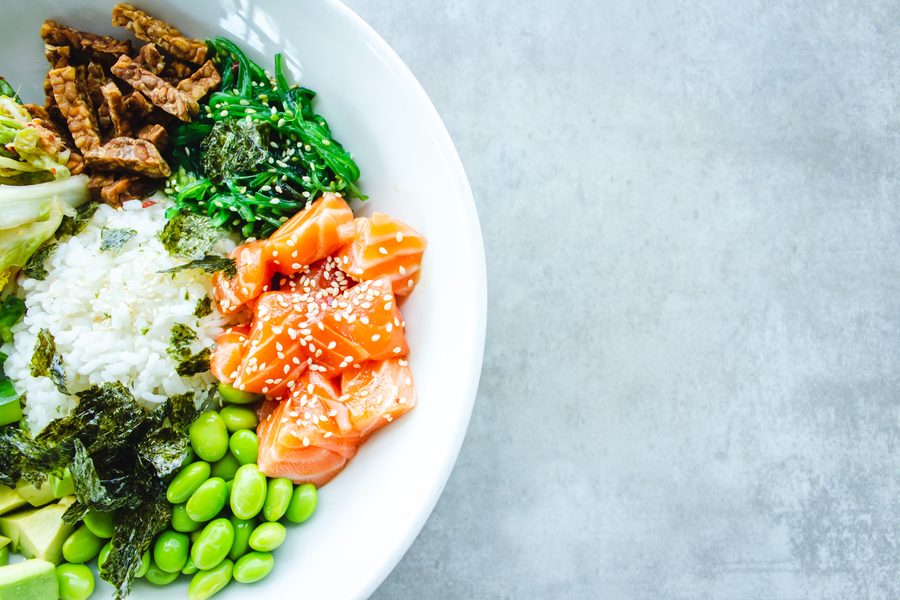
We plan all our major life events — weddings, careers, investments — and things still don't always go to plan. Yet we plan anyway, because planning brings a sense of order and satisfaction. Strange, then, that we skip planning the one thing we do three times a day: eating.
We are what we eat. Food choices shape our health, wellbeing, susceptibility to disease and quality of life. We tend to eat whatever we feel like, whenever we feel like it — and our bodies keep the score.
What changes when you plan your meals
Discipline compounds. Deciding what and when to eat builds a structure that spills into the rest of your lifestyle.
You become conscious of what enters your body. Conscious choices teach you what works for your body — because everybody is different, and no one plan suits all.
Your nutrition becomes complete. A planned diet meets the recommended daily allowances of macronutrients and micronutrients, without wildly overshooting or falling short of your calorie needs.
Monotony disappears. Ironically, planning adds variety — and spice — to your plate, because you stop defaulting to the same three convenient meals.
It's preventive medicine. From heart disease to cancer, lifestyle diseases have become the new normal, and nobody is too young to be afflicted. A consistently balanced diet is one of the strongest protections we have — it strengthens immunity against everyday threats too.
It buffers stress. We live dripped in tension and anxiety. A healthy eating routine measurably improves how well we cope.
The takeaway
A balanced diet works as preventive medicine for the healthy and as part of the treatment plan for the unwell. Plan your meals around your own needs, preferences and goals — as India's ICMR guidelines suggest — and let the quiet power of a planned plate do its work.